
Selecting the right HVAC system for an office environment is no longer just about keeping temperatures comfortable. Today, businesses must consider energy efficiency, operating costs, sustainability goals, acoustic comfort, and future scalability. As offices evolve into flexible, multi-use environments, HVAC solutions need to be smarter and more adaptable.
Two commonly discussed options in modern commercial air-conditioning are VRF and VRV systems. While these terms are often used interchangeably, many facility managers and business owners still question how VRF vs. Vrv choices can influence office HVAC efficiency.
This article examines what VRF and VRV systems are, how they operate, and, most importantly, their significant impact on energy performance, comfort, and long-term value in office buildings.
What Do VRF and VRV Mean?
Before assessing efficiency, it’s essential to clarify the terminology.
Variable Refrigerant Flow (VRF)
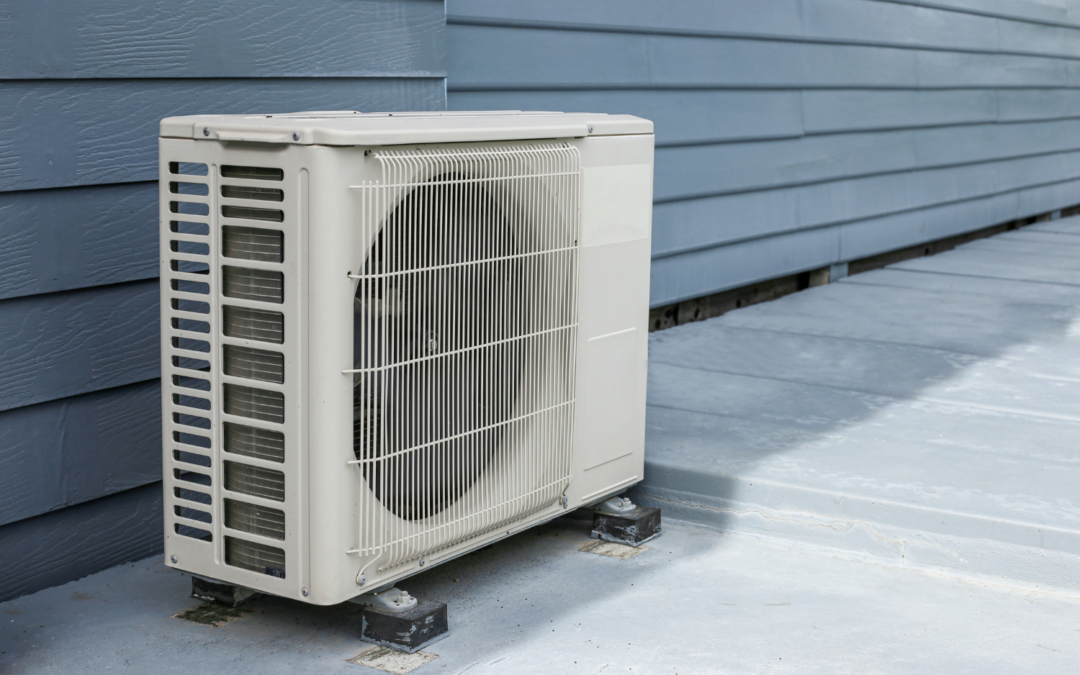
VRF stands for Variable Refrigerant Flow, a sophisticated HVAC technology that controls the amount of refrigerant supplied to multiple indoor units from a single outdoor system. Unlike traditional air conditioning systems that push air through ductwork, VRF systems distribute refrigerant directly to the indoor units.
The system continuously adjusts refrigerant flow based on real-time demand, ensuring that each zone receives only the amount of cooling or heating it needs at any given moment.
Variable Refrigerant Volume (VRV)
VRV, or Variable Refrigerant Volume, refers to the same technology. The difference between VRF vs. VRV lies in branding rather than function. VRV is a trademarked term introduced by a specific manufacturer, while VRF is the industry-wide term used by most HVAC suppliers.
From a performance, efficiency, and operational perspective, VRF and VRV systems work in the same way.
How VRF/VRV Systems Operate in Office Buildings
VRF/VRV systems are designed to respond dynamically to changing conditions within a building. Instead of operating at full capacity regardless of demand, these systems use inverter-driven compressors that can increase or decrease output precisely.
Key operational features include:
- A single outdoor unit serving multiple indoor units
- Independent temperature control for each zone
- Continuous modulation of refrigerant flow
- Advanced control systems that can integrate with building management systems
This approach makes VRF/VRV systems particularly effective in offices where occupancy, equipment usage, and solar heat gain vary throughout the day.
How VRF vs. Vrv Technology Improves HVAC Efficiency
1. Reduced Energy Consumption
Energy efficiency is one of the strongest arguments for adopting VRF or VRV systems in office environments.
According to the Australian Government’s Department of Climate Change, Energy, the Environment and Water, improving HVAC efficiency is one of the most effective ways for commercial buildings to reduce energy consumption and operational costs, as heating and cooling account for a significant portion of office energy use in Australia. Systems that modulate output based on real-time demand—such as VRF/VRV- are specifically recognised for minimising wasted energy compared to fixed-output systems.
Traditional HVAC systems often rely on fixed-speed compressors that operate in an on-off cycle. This leads to energy waste, temperature fluctuations, and higher peak electricity demand. In contrast, VRF/VRV systems adjust compressor speed continuously, using only the energy required to maintain set temperatures.
This results in:
- Lower electricity bills
- Reduced peak demand charges
- Improved overall energy ratings for commercial buildings
Because the vrf vs vrv distinction does not affect how the system functions, energy savings are determined by system design and installation quality rather than naming conventions.
2. Advanced Zoning for Office Comfort
Modern offices rarely have uniform temperature requirements. Boardrooms, open-plan workspaces, server rooms, and executive offices all generate different heat loads.
VRF/VRV systems allow each zone to operate independently, providing tailored comfort without impacting other areas of the building. This zoning capability improves HVAC efficiency by eliminating unnecessary heating or cooling in unoccupied or low-use spaces.
Benefits include:
- Improved staff comfort and satisfaction
- Fewer temperature-related complaints
- Reduced energy use during off-peak periods
For offices with flexible working arrangements or hybrid schedules, this level of control is particularly valuable.
3. Simultaneous Heating and Cooling
Many VRF/VRV systems offer heat recovery functionality, allowing the system to heat some zones while cooling others at the same time. Heat removed from warmer areas can be reused to warm cooler spaces.
In offices with mixed orientations or varying equipment loads, this feature significantly boosts efficiency by recycling energy that would otherwise be wasted.
This capability is especially useful in:
- Multi-storey office buildings
- Offices with large glass façades
- Buildings with high internal heat gains
4. Design Flexibility and Space Efficiency
Office design plays a crucial role in HVAC performance. VRF/VRV systems offer far greater flexibility than ducted systems, making them ideal for modern architectural layouts.
Advantages include:
- Minimal ductwork requirements
- Greater freedom in ceiling design
- Easier integration into refurbishments or retrofits
- Multiple indoor unit styles to suit different spaces
Because refrigerant piping is more compact than traditional ducting, VRF/VRV systems can help maximise usable floor space , an important consideration in commercial offices where every square metre counts.
5. Quieter Operation for Productive Workspaces
Noise levels can have a direct impact on workplace productivity and wellbeing. VRF/VRV systems are generally quieter than traditional HVAC systems due to their variable-speed operation and decentralised indoor units.
Reduced noise benefits include:
- Improved concentration in open-plan offices
- More comfortable meeting rooms
- Better acoustic conditions for collaborative work
This makes VRF/VRV systems particularly suitable for professional offices, creative studios, and shared work environments.
6. Long-Term Cost Efficiency
While VRF/VRV systems often require a higher initial investment, their long-term cost benefits are significant.
Cost efficiencies come from:
- Lower energy bills
- Reduced wear on system components
- Fewer mechanical failures due to smoother operation
- Reduced maintenance associated with ductwork
Over the lifespan of the system, these savings can outweigh the upfront costs, making VRF/VRV a financially sound choice for offices planning long-term occupancy.
Choosing Between VRF and VRV for Your Office
Since VRF vs. VRV systems are technically identical, the decision usually depends on factors such as:
- Manufacturer reputation
- Availability of local service and support
- Warranty terms
- Compatibility with existing building systems
- Budget considerations
What matters most is working with experienced HVAC professionals who can design and install the system correctly. Proper sizing, zoning, and commissioning are critical to achieving optimal efficiency and performance.
A Smarter HVAC Choice for Future-Ready Offices
When evaluating VRF vs. VRV systems, the real takeaway is that the technology itself, not the name, delivers the efficiency advantages. Both systems offer a highly responsive, energy-efficient solution that aligns perfectly with the needs of modern office environments.
By providing precise zoning, reduced energy consumption, quieter operation, and long-term cost savings, VRF/VRV systems help offices achieve better performance without compromising comfort. Their flexibility also ensures they remain relevant as workplaces evolve, expand, or adapt to new working models.
For businesses seeking to improve HVAC efficiency while supporting sustainability goals and employee wellbeing, VRF/VRV technology represents a smart, future-focused investment in office climate control.
Thinking about upgrading to a smart thermostat or installing a new energy-efficient air conditioning system?
Let the local experts at Innovation Air help you choose and install the right smart thermostat solution for your Sydney home.