
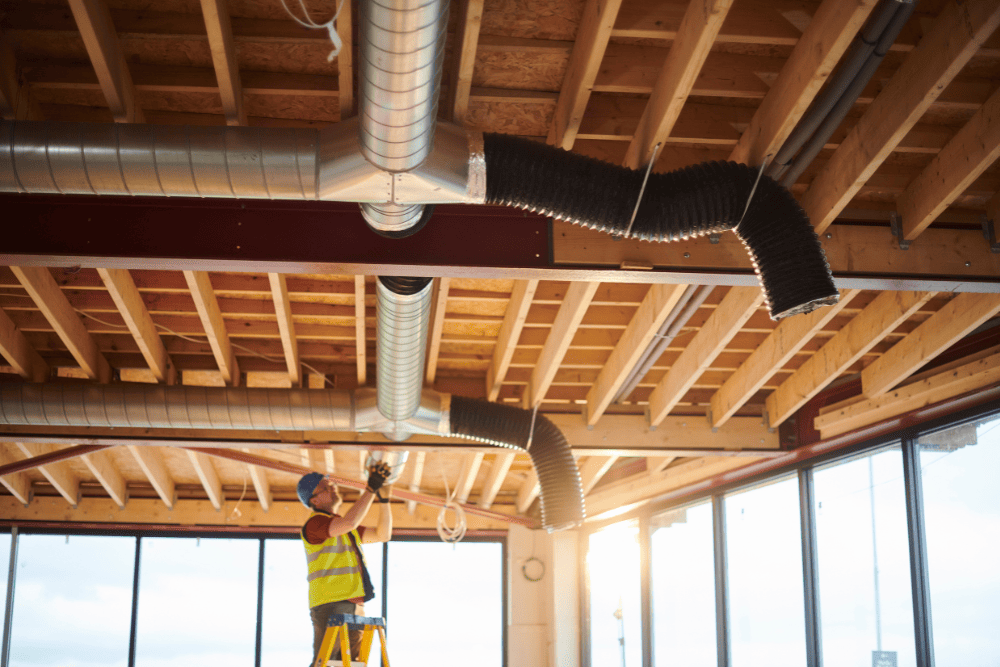
When it comes to keeping a Sydney home comfortable all year round, a properly designed and installed ducted air conditioning system is one of the best investments you can make. But even the most advanced ducted air conditioning systems can underperform if the Ducted System Installation is rushed, poorly planned, or handled by installers without the right experience.
As Sydney’s demand for energy-efficient cooling and heating continues to grow, so does the importance of choosing professional ducted aircon installers who understand airflow, duct sizing, zoning, and the unique requirements of local homes. Below, you’ll find the most common mistakes in ducted aircon installation—along with practical tips to ensure your system operates at peak efficiency from day one.
Whether you’re planning residential ducted system installation or commercial ducted system installation, avoiding these errors will save you from costly repairs, uncomfortable indoor temperatures, and skyrocketing energy bills.
Mistake 1 – Poor Duct Design and Incorrect Sizing
One of the most common issues in ducted air conditioning installation is inadequate system design. Many homeowners don’t realise that the performance of their ducted system relies heavily on the correct duct size, air distribution, and system layout.
Common design issues include:
undersized ducts leading to weak airflow
oversized ducts causing temperature inconsistency
poor duct layout resulting in pressure imbalance
insufficient return air pathways
airflow leakage from improperly sealed joints
These problems create a range of ongoing issues—poor airflow, noisy operation, uneven heating and cooling, and higher energy consumption.
How to Avoid It
Choose professional air conditioning installers experienced in AC ductwork installation and HVAC system installation. A proper installation begins with accurate load calculations, zoning design, system mapping, and selecting the right size air handler for your Sydney property.
Sydney homes, especially those in the Eastern Suburbs, Inner West, and Northern Beaches, vary widely in structure, insulation quality, and roof space. An expert installer evaluates all these factors before starting the job.
For more on proper duct design, refer to the Australian Government’s energy efficiency guide:
https://www.ncc.abcb.gov.au/ (National Construction Code—HVAC standards)
Mistake 2 – Poor Zoning or No Zoning at All
Ducted system zoning allows you to control temperatures in different rooms, improving comfort and saving energy. But zoning is often set up incorrectly—or sometimes skipped entirely—to reduce installation costs.
Typical zoning problems include:
too many rooms on one zone
inadequate temperature sensors
incorrect damper sizing
zoning panels installed in unsuitable locations
unbalanced airflow between zones
This causes your ducted aircon to work harder than it should, leading to higher energy bills and reduced lifespan.
How to Avoid It
Ask for a zoning plan during the quoting stage. Quality ducted aircon installers near me will design zones based on:
room size
orientation
insulation
usage frequency (living areas vs bedrooms)
This ensures optimal comfort and helps avoid common issues such as hot and cold spots, noisy airflow, and overworking the compressor. If you’re looking for ducted aircon installation service or Sydney HVAC installation experts, make sure they include zoning as part of your package.
Mistake 3 – Incorrect Unit Placement and Poor Installation Practices
Even the best ducted air conditioning Sydney has available can fail if the installer overlooks critical placement and installation quality steps. Incorrect unit positioning—indoors or outdoors—leads to system strain, reduced efficiency, and expensive repairs.
Major installation mistakes include:
placing the outdoor unit in direct sun or restricted airflow
installing the indoor unit in a tight roof space with little service access
inadequate insulation around ducts causing condensation or heat gain
poor sealing causing air leaks
insufficient support for ducting, creating sagging and airflow blockage
How to Avoid It
Hire best ducted air conditioning installers who follow a strict installation checklist and comply with Australian building standards. A qualified team ensures:
proper clearances around both units
correct duct insulation
balanced airflow
safe electrical and drainage setup
adherence to the National Construction Code and AS/NZS standards
If you’re unsure what proper placement looks like, ask your installer for a pre-installation map.
Signs of a Bad Ducted Aircon Installation
If your system is already installed but feels “off”, here are common warning signs:
weak airflow in certain rooms
inconsistent temperatures
noisy ducts
higher energy bills
system struggling on hot summer days
rooms not reaching the set temperature
musty smells from ducts
visible duct sagging
These are typical results of poor duct installation issues, incorrect zoning, or improper duct sizing.
How to Choose the Right Installer in Sydney
Choosing a skilled installer is the key to avoiding all the mistakes above. Look for:
licensed and insured Sydney HVAC installation experts
strong track record in ducted air conditioning installation Sydney
transparent quotes with system design included
positive local reviews
experience with both ducted heating and cooling installation
a clear warranty on workmanship
For cost-conscious homeowners, ask about ducted AC installation cost, including materials, zoning, design, and potential system upgrades.
Ready to Avoid Costly Ducted System Mistakes?
Innovation Air Conditioning offers professional Ducted System Installation across Sydney, providing high-quality designs and installations for residential and commercial properties. Whether you’re upgrading, replacing, or building new, our team ensures your system is efficient, quiet, and built to last.
Let our experts take care of your comfort—without the headaches caused by poor installation.