
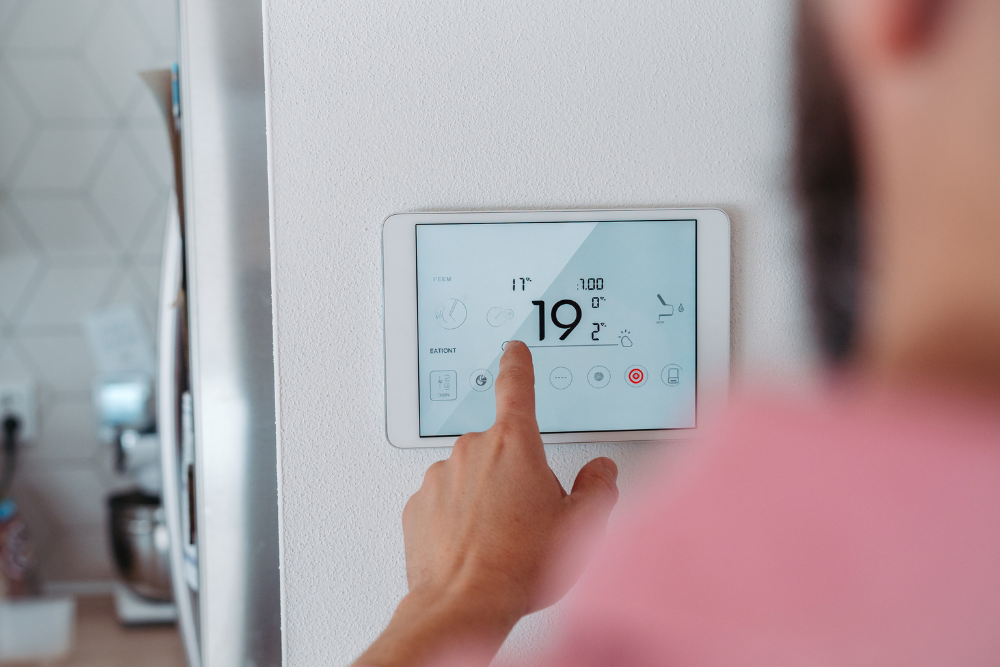
As energy costs continue to rise across Australia, many Sydney homeowners are asking a simple but important question: how can I reduce my air conditioning costs without sacrificing comfort? One of the most effective answers is Smart Thermostats in Energy Savings.
Smart thermostats are no longer a “nice-to-have” gadget. They’ve become a practical tool for home energy management, especially in homes with ducted or split air conditioning systems. When installed correctly, they can significantly reduce electricity usage while improving how your HVAC system performs day to day.
In this guide, we’ll break down how smart thermostats work, why they’re so effective in Sydney homes, and whether they’re worth the investment for long-term energy savings.
How Smart Thermostats in Energy Savings Actually Work
Understanding how smart thermostats work helps explain why they’re so effective at reducing power bills.
Unlike traditional programmable thermostats, smart thermostat HVAC systems use WiFi connectivity, sensors, and automation to optimise heating and cooling in real time. These systems learn your habits, adjust temperatures automatically, and avoid unnecessary air conditioning use.
Key smart thermostat features and benefits include:
Learning schedules based on your daily routine
Smart thermostat energy monitoring via mobile apps
Remote control from anywhere using your phone
Automation that turns systems down when no one is home
Temperature zoning systems for better room-by-room control
This level of automation is what enables WiFi thermostat energy savings, especially in Sydney homes where air conditioning can account for a large portion of electricity bills.
According to energy.gov.au, efficient temperature control plays a major role in reducing household energy use, particularly when paired with energy-efficient HVAC systems.
Benefits of Smart Thermostats in Energy Savings for Sydney Homes
The real value of Smart Thermostats in Energy Savings lies in how well they adapt to local conditions. Sydney’s climate includes hot summers, mild winters, and fluctuating temperatures — all ideal conditions for smart climate control automation.
1. Lower Energy Bills Without Sacrificing Comfort
One of the most common questions homeowners ask is: Do smart thermostats really save energy?
The short answer is yes.
Studies show smart thermostat energy savings in Australia can reduce heating and cooling costs by up to 10–20% when used correctly. This happens by:
Avoiding overcooling or overheating
Automatically adjusting temperatures when you’re away
Optimising run times for air conditioning smart thermostat Sydney systems
This directly answers another popular question: Can smart thermostats reduce electricity bills? — especially in homes that rely heavily on air conditioning.
2. Improved Smart Thermostat Energy Efficiency for Air Conditioning
For homes with ducted or split systems, a smart thermostat for air conditioning offers far better control than manual thermostats.
Benefits include:
Smarter cycling of HVAC systems
Reduced strain on compressors
Better compatibility with modern ducted AC systems
Improved energy-efficient air conditioning performance
If you’re planning a new system or an upgrade, pairing a smart thermostat with professional air conditioning installation in Sydney delivers the best long-term results.
3. Smarter Home Energy Management
Smart thermostats for energy-efficient homes don’t just control temperature — they provide insight.
With built-in energy usage tracking, homeowners can:
Identify high-usage periods
Adjust settings for better efficiency
Make informed decisions about climate control
This makes them ideal for homeowners focused on sustainable cooling solutions and long-term cost control.
Are Smart Thermostats Worth It in Sydney?
A common People Also Ask question is: Are smart thermostats worth it in Sydney?
For most households, the answer is yes — particularly when installed by experienced smart thermostat installers Sydney homeowners trust.
Factors that make them worthwhile:
High electricity costs in NSW
Frequent use of air conditioning
Homes with ducted or multi-zone systems
Desire for automation and convenience
Another popular question is: How much energy can a smart thermostat save?
Savings vary, but homes using air conditioning daily often see noticeable reductions within the first year.
The NSW Government energy efficiency guidance also highlights smart controls as an effective way to reduce household energy demand when combined with efficient appliances.
Choosing the Best Smart Thermostat for Sydney HVAC Systems
Not all thermostats are the same. Choosing the best smart thermostat for air conditioning systems depends on compatibility, home size, and system type.
Important considerations:
Smart thermostat compatibility with ducted AC
Integration with existing HVAC smart thermostat Sydney systems
Ease of use and automation features
Professional setup and calibration
This is why professional smart thermostat installation matters. Incorrect setup can limit energy savings and reduce system lifespan.
Working with licensed technicians ensures:
Proper configuration
Safe electrical integration
Maximum smart thermostat energy efficiency
Final Thoughts on Smart Thermostats in Energy Savings
When installed and used correctly, Smart Thermostats in Energy Savings deliver real, measurable benefits for Sydney homeowners. From reduced electricity bills to better comfort and smarter energy use, they’re one of the most practical upgrades you can make to your HVAC system.
If you’re upgrading your air conditioning or looking to improve home energy management, a smart thermostat is a future-proof investment that pays off over time.
Thinking about upgrading to a smart thermostat or installing a new energy-efficient air conditioning system?
Let the local experts at Innovation Air help you choose and install the right smart thermostat solution for your Sydney home.